Oslamin Notebook
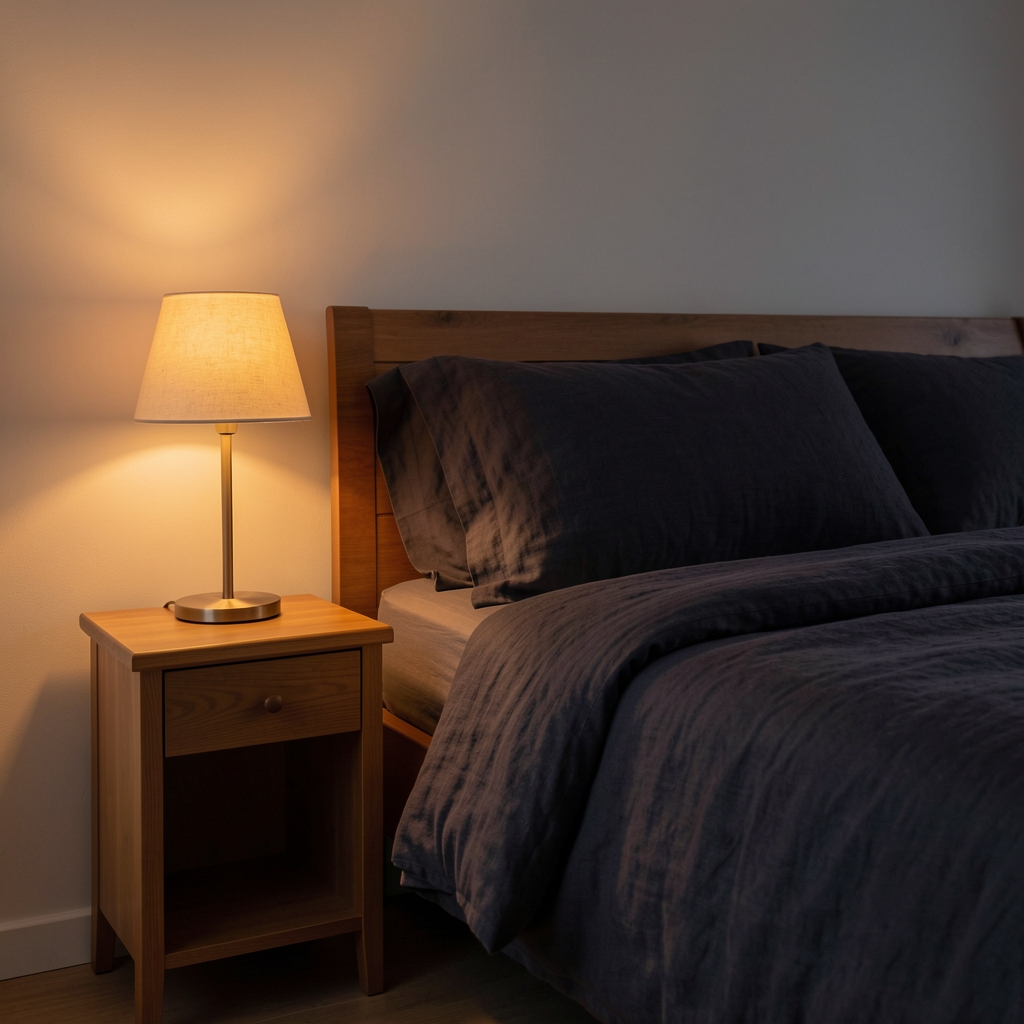
Softly lit bedroom in early evening, dark linen and a single reading lamp casting warm amber tones over a wooden bedside table
Sleep & Recovery

Quiet Hours. Documented.

An independent editorial journal on sleep hygiene, evening rituals, and the steady work of daily recovery.

Read the Latest
Sleep Hygiene Evening Routine Circadian Rhythm Restorative Sleep Wind-Down Habits Morning Freshness Rest & Recovery Deep Sleep Bedroom Environment Night Routine Sleep Hygiene Evening Routine Circadian Rhythm Restorative Sleep Wind-Down Habits Morning Freshness Rest & Recovery Deep Sleep Bedroom Environment Night Routine
About This Publication

Oslamin Notebook documents the rhythms of restorative rest.

There is an older argument that quality sleep is not a reward — it is infrastructure. The body's capacity for attentiveness, for even-tempered engagement with the day, rests on what happened in the hours of darkness. This publication proceeds from that premise.

Articles are selected for their grounding in published sleep research and their attention to the small, repeatable habits that shift the shape of a night over weeks and months.

08
Minutes avg. read
3
Featured Articles
Featured Reading

From the Archive

Areas of Focus

Topics This Publication Covers

01

Sleep Hygiene

The collection of observable habits and environmental conditions that influence the ease of falling asleep and the depth of rest across the night.

02

Evening Routines

Documenting the wind-down sequences — from the timing of last light exposure to the temperature of a room — that signal to the body that the active phase of the day has ended.

03

Circadian Rhythm

An editorial survey of published findings on the body's internal timekeeping — how consistency, light, and temperature shape the rhythm of the sleep-wake cycle.

04

Bedroom Environment

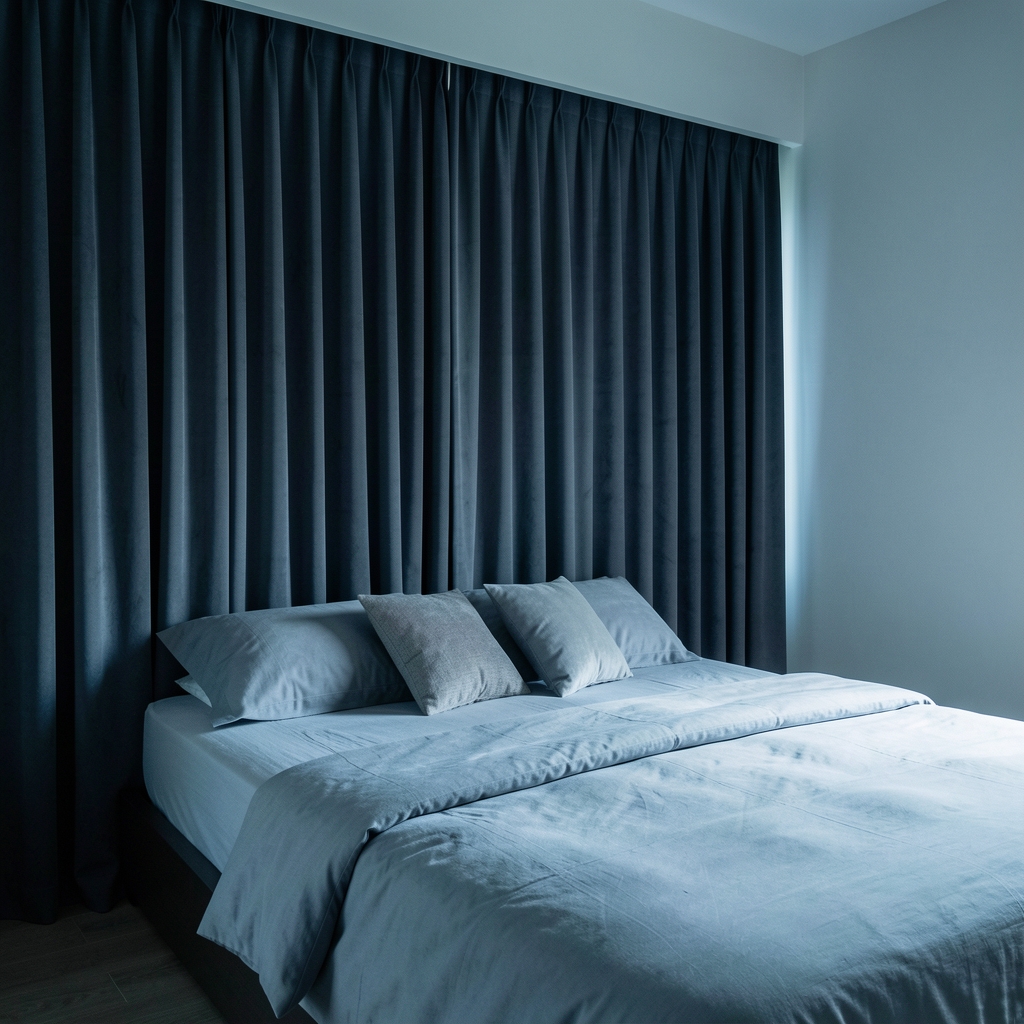
The interplay of blackout curtains, ambient temperature, pillow firmness, and acoustic conditions in creating a space that is genuinely oriented toward rest.

05

Recovery Practices

Everyday habits for the recovery window — how the daytime hours are structured in a way that reflects and reinforces the quality of the night before.

06

Relaxation Techniques

Documented approaches to preparing the nervous system for sleep — breathing intervals, journalling, the quiet hour — without resort to overclaimed interventions.

The interval between putting down the phone and falling asleep is not lost time. It is the work itself.
Oslamin Notebook — Editorial Note, 2026
Common Questions

Frequently Asked

Sleep hygiene refers to the set of habitual and environmental conditions that support consistent, high-quality rest. It encompasses factors such as keeping a regular sleep-wake schedule, managing light exposure in the evening hours, maintaining a comfortable bedroom temperature, and observing a wind-down period before bed.
The body maintains an internal clock that regulates the timing of sleep, wakefulness, and a range of physiological processes. When the sleep schedule is consistent with the light-dark cycle — sleeping at roughly the same time each night and waking at a consistent hour — the internal clock becomes well-calibrated, supporting easier sleep onset and more restorative rest.
Research consistently points to three conditions: low ambient light (blackout curtains are among the most consistently cited interventions), a cool room temperature in the range of 16–19°C, and reduced sound intrusion. The combination of these three conditions creates an environment where the body is less likely to register external cues as reasons to remain alert.
No single wind-down sequence is universal, but patterns that appear across published sleep research include: dimming lights one to two hours before bed, avoiding screens during the final thirty to sixty minutes, a brief period of written reflection or reading, and a consistent bedtime. The common thread is reducing stimulation in an orderly way, rather than moving abruptly from an active evening to an expectation of immediate sleep.
Restorative sleep is sleep that leaves a person feeling genuinely refreshed — able to concentrate, maintain even-tempered engagement, and sustain energy across the day without significant reliance on caffeine. It is characterised by sufficient time in the deeper sleep stages, uninterrupted architecture across the night, and waking at a consistent time that aligns with the end of a natural sleep cycle.
Articles are selected and reviewed according to the editorial principles described on the Methodology page. Writers draw on published sleep research and first-hand observational notes. Each article is reviewed by a second editor before publication, and the publication maintains a corrections record that is updated as needed.
7–9
Hours — recommended adult sleep range
90
Minutes per sleep cycle average
17°C
Optimal bedroom temperature for rest
30
Minutes — advised pre-bed screen-free interval
The Publication

A small editorial team with a focused brief.

Oslamin Notebook is an independent editorial publication focused on everyday wellness practices, specifically the documented habits and environmental conditions that shape how a person sleeps and recovers. The publication is not affiliated with any commercial, governmental, or institutional body.

Articles are written by a small team of editors and guest contributors, all of whom work outside of commercial interests in the sector they write about.

About the Publication

Editorial team working quietly at a wooden table covered with notebooks, printed pages, and a single lamp in a warm afternoon-lit studio