
Sleep Hygiene
The Architecture of an Evening Wind-Down
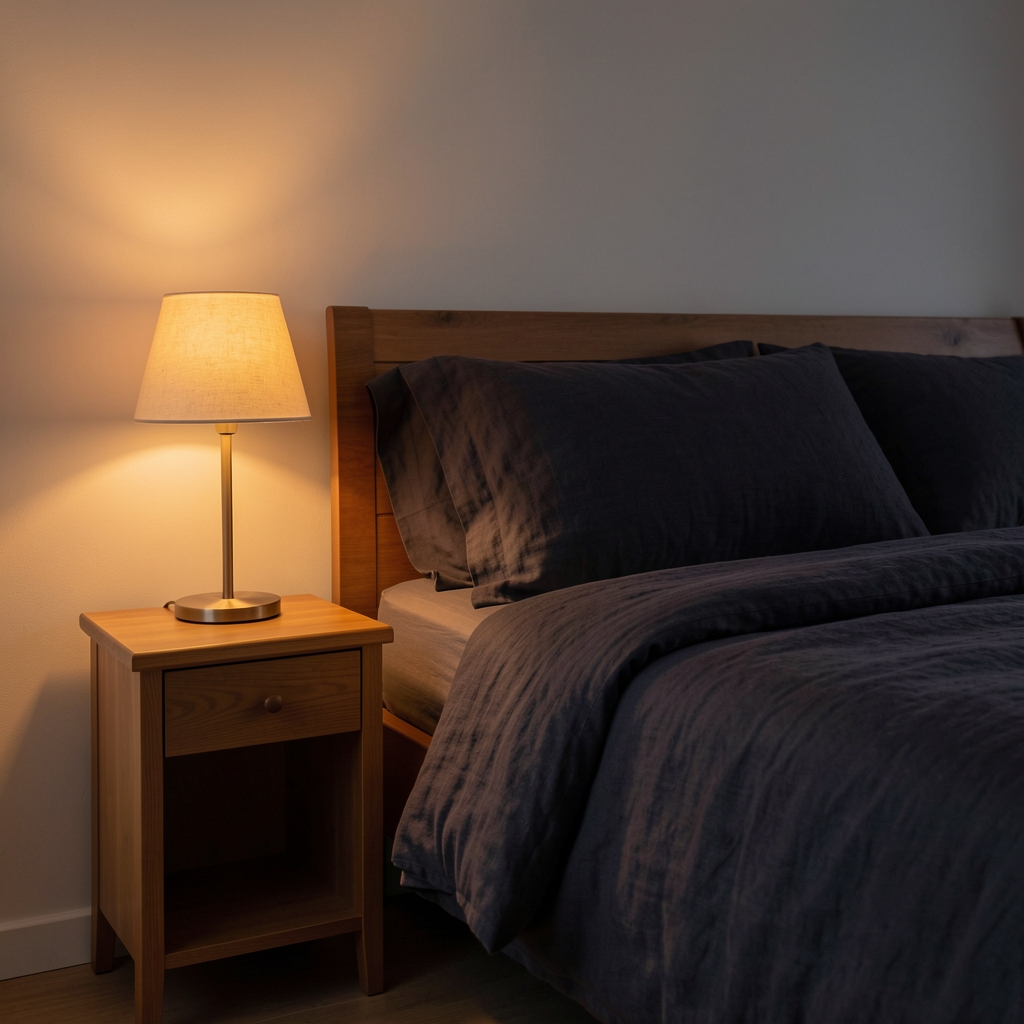
A look at the components of a considered pre-sleep sequence — light exposure management, temperature, and the interval between stimulation and stillness.
An independent editorial journal on sleep hygiene, evening rituals, and the steady work of daily recovery.
Read the LatestThere is an older argument that quality sleep is not a reward — it is infrastructure. The body's capacity for attentiveness, for even-tempered engagement with the day, rests on what happened in the hours of darkness. This publication proceeds from that premise.
Articles are selected for their grounding in published sleep research and their attention to the small, repeatable habits that shift the shape of a night over weeks and months.
A look at the components of a considered pre-sleep sequence — light exposure management, temperature, and the interval between stimulation and stillness.

An account of how the body's internal clock responds to cues from the environment, and what published findings suggest about the role of regularity in sleep quality.
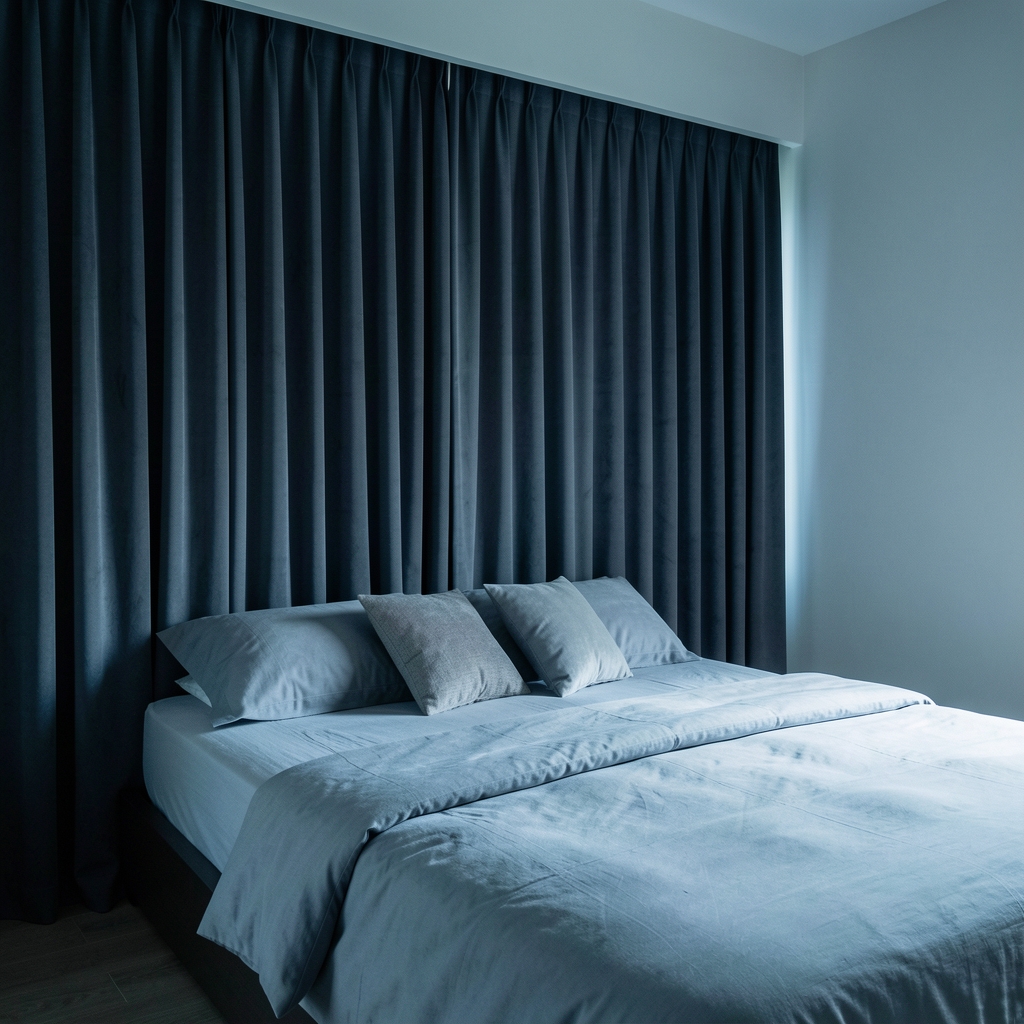
Temperature, sound, and material choices as observed and documented across different approaches to shaping the bedroom for deep, restorative sleep.
The collection of observable habits and environmental conditions that influence the ease of falling asleep and the depth of rest across the night.
Documenting the wind-down sequences — from the timing of last light exposure to the temperature of a room — that signal to the body that the active phase of the day has ended.
An editorial survey of published findings on the body's internal timekeeping — how consistency, light, and temperature shape the rhythm of the sleep-wake cycle.
The interplay of blackout curtains, ambient temperature, pillow firmness, and acoustic conditions in creating a space that is genuinely oriented toward rest.
Everyday habits for the recovery window — how the daytime hours are structured in a way that reflects and reinforces the quality of the night before.
Documented approaches to preparing the nervous system for sleep — breathing intervals, journalling, the quiet hour — without resort to overclaimed interventions.
The interval between putting down the phone and falling asleep is not lost time. It is the work itself.
Oslamin Notebook is an independent editorial publication focused on everyday wellness practices, specifically the documented habits and environmental conditions that shape how a person sleeps and recovers. The publication is not affiliated with any commercial, governmental, or institutional body.
Articles are written by a small team of editors and guest contributors, all of whom work outside of commercial interests in the sector they write about.
About the Publication